• Genre
  • About
  • Submissions
  • Donate
  • Search
Menu

Speakola

All Speeches Great and Small
  • Genre
  • About
  • Submissions
  • Donate
  • Search
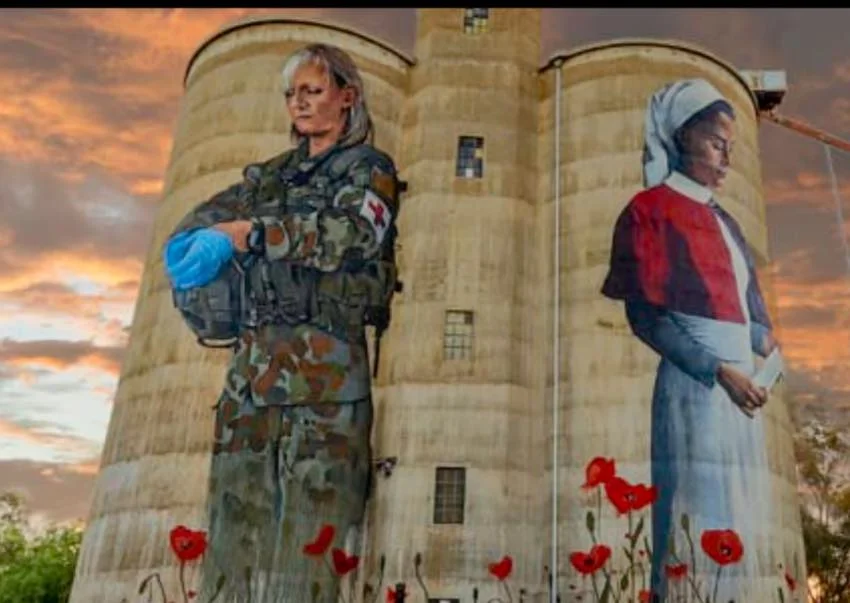
WAGGA ANZAC.jpg

Catherine Wallis: 'We are young and old. We are women and men', Anzac Day Dawn Service, Wagga - 2018

April 25, 2018

25 April 2018, RAAF Base, Wagga, NSW, Australia

Welcome to our Base on this important day for our Defence Force and for our community.

Everyone here got up very early this morning. For some that might be normal; but for most a very special effort has been made to be here.

And why are we here?

We each have different connections, different stories, different reasons that bring us all together in the dark to wait for the Dawn.

For some of us Anzac Day has an intensely personal connection. We remember a mate, a relative or a colleague who gave their life for their country. Like the local Wagga family the Meiklejohns, who I had the pleasure of meeting last year. They lost their beloved brother Robert in 1943, when his bomber went down over the Belgian town of Hamont-Achel. His memory is preserved in the story and song that you can learn about in the Heritage Centre behind me.

Some of us have served and returned, recently or a long time ago. Not all of us fit the traditional stereotype of the “veteran “. We are young and old. We are women and men. Some of us struggle with things that we cannot un-see. And decisions that we cannot un-make. For some of us Anzac Day is the hardest day of the year. As MAJ Clare O’Neill described: “it is difficult to share the horrors with people outside the military field when it is those people who you served to keep the horrors from.”

Some of us are current serving members of the Navy, Army and Air Force. We honour our colleagues who have served proudly before us and we hope that should we ever be placed in their position, we will act in a way that brings pride to ourselves, our families and our country. That if we are truly tested, we will be steadfast, selfless and compassionate.

And some of us here today are our neighbours and our friends. The Forest Hill and Wagga community. Who welcome us here in their town every day and who honour and respect those who have made the ultimate sacrifice for their country.

Whatever our individual reasons for being here, we find ourselves close together as the light begins to shine over the Riverina, like it did on that first Anzac Day so many years ago.

We remember those who have gone - their steadfastness, their selflessness, their compassion and their comradeship.

We remember young lives taken away, and veterans of all ages who bear the scars of their service for a lifetime.

We come together with respect, with a deep sense of connection, and with hope for a peaceful future.

And we hold our community close. Our friends, our families, our neighbours and our town of Wagga.

Lest we forget
Enjoyed this speech? Speakola is a labour of love and I’d be very grateful if you would share, tweet or like it. Thank you.

Facebook Twitter Facebook
In WAR & CONFLICT Tags CATHERINE WALLIS, RAAF, ANZAC DAY, DAWN SERVICE, COMMEMORATION, WAGGA, TRANSCRIPT
Comment

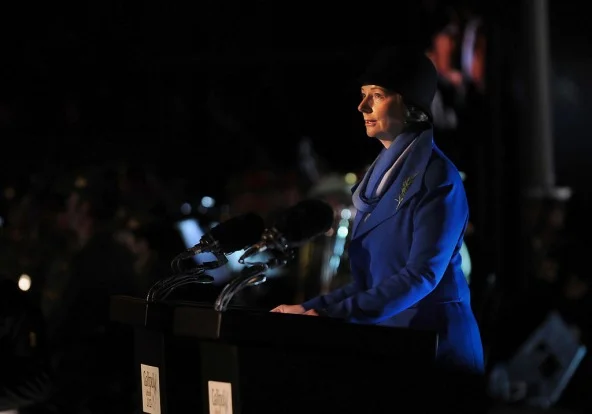
Julia Gillard: 'So this is a place hallowed by sacrifice and loss', Anzac Day - 2012

March 28, 2016

25 April 2012, Anzac Cove, Gallipoli, Turkey

Julia Gillard was the 27th Prime Minister of Australia, and the first woman to hold the position.

They were strangers in a strange land.

Men who came from "the ends of the earth" in an enterprise of hope to end a far-off, dreadful war.

But it was not to be.

Even at dawn, the shadows were already falling over this fate-filled day.

Advertisement

Here on these beaches and hills, so foreign and yet so familiar, a skilled enemy lay in wait, led by a man destined to become a great leader.

A world of war was described in the mortal struggles of a million men on the narrow confines of this peninsula.

For the allies, this was a battle of nations fought by great powers and the might of their empires for a wider strategic goal.

For the Turks, this was a defence of the soil and sanctity of home, for which Ataturk ordered his men not only to attack but to die.

And the men who fought here from our nation, our allies and from Turkey did die – terrible deaths that spared no age or rank or display of courage.

Over 130,000 men gave their lives in this place, two-thirds of them on the Turkish side and 8700 from Australia.

So this is a place hallowed by sacrifice and loss.

It is, too, a place shining with honour – and honour of the most vivid kind.

A place where foes met in equality and respect, and attained a certain nobility through their character and conduct.

Eight months later, this campaign ended as it had begun – at dawn.

At 3.57 on December 20, 1915, the last Diggers quietly slipped away.

They did not begrudge the victory of their enemy, which was hard-fought and deserved.

They did share a regret greater than any defeat – having to leave their mates behind.

So the Australian and New Zealand commander, General Godley, left a message asking the Ottoman forces to respect the Anzac graves.

But no such invitation was required.

The Turkish honoured our fallen and embraced them as their own sons.

And later they did something rare in the pages of history – they named this place in honour of the vanquished as Anzac Cove.

We therefore owe the Republic of Turkey a profound debt.

No nation could have better guarded our shrines or more generously welcomed our pilgrims.

A worthy foe has proved to be an even greater friend.

Through Turkey's hospitality, we do today what those who left these shores most dearly hoped:

We come back.

As we will always come back.

To give the best and only gift that can matter anymore – our remembrance.

We remember what the Anzacs did in war.

And for what they did to shape our nation in peace.

In this place, they taught us to regard Australia and nowhere else as home.

Here where they longed for the shape and scent of the gum leaf and the wattle, not the rose or the elm.

Where they remembered places called Weipa and Woolloomooloo, Toowoomba and Swan Hill.

Or the sight of Mt Clarence as their ships pulled away from Albany, for so many the last piece of Australian soil they would ever live to see.

This is the legend of Anzac, and it belongs to every Australian.

Not just those who trace their origins to the early settlers but those like me who are migrants and who freely embrace the whole of the Australian story as their own.

For Indigenous Australians, whose own wartime valour was a profound expression of the love they felt for the ancient land.

And for Turkish-Australians who have not one but two heroic stories to tell their children.

All of us remember, because all of us inhabit the freedom the Anzacs won for us.

These citizen-soldiers, who came here untested and unknown, and who "founded a deathless monument of valour" through the immensity of their sacrifice.

This dawn will turn to darkness at the ending of today.

But the sun will never set on the story of their deeds.

Now and for all time, we will remember them.

Lest We Forget.


 Julia Gillard’s speechwriter Michael Cooney is a guest on the 45th episode of the podcast, and talks about some pagination dramas that unfolded at Gallipoli!


Source: http://www.smh.com.au/federal-politics/a-p...

Enjoyed this speech? Speakola is a labour of love and I’d be very grateful if you would share, tweet or like it. Thank you.

Facebook Twitter Facebook
In WAR & CONFLICT Tags JULIA GILLARD, ANZAC DAY, ANZAC COVE, WAR, WW1, TURKEY
Comment

Neville Clark: 'We come to this sacred place not to glorify', The Spirit of ANZAC - 2014

March 15, 2016

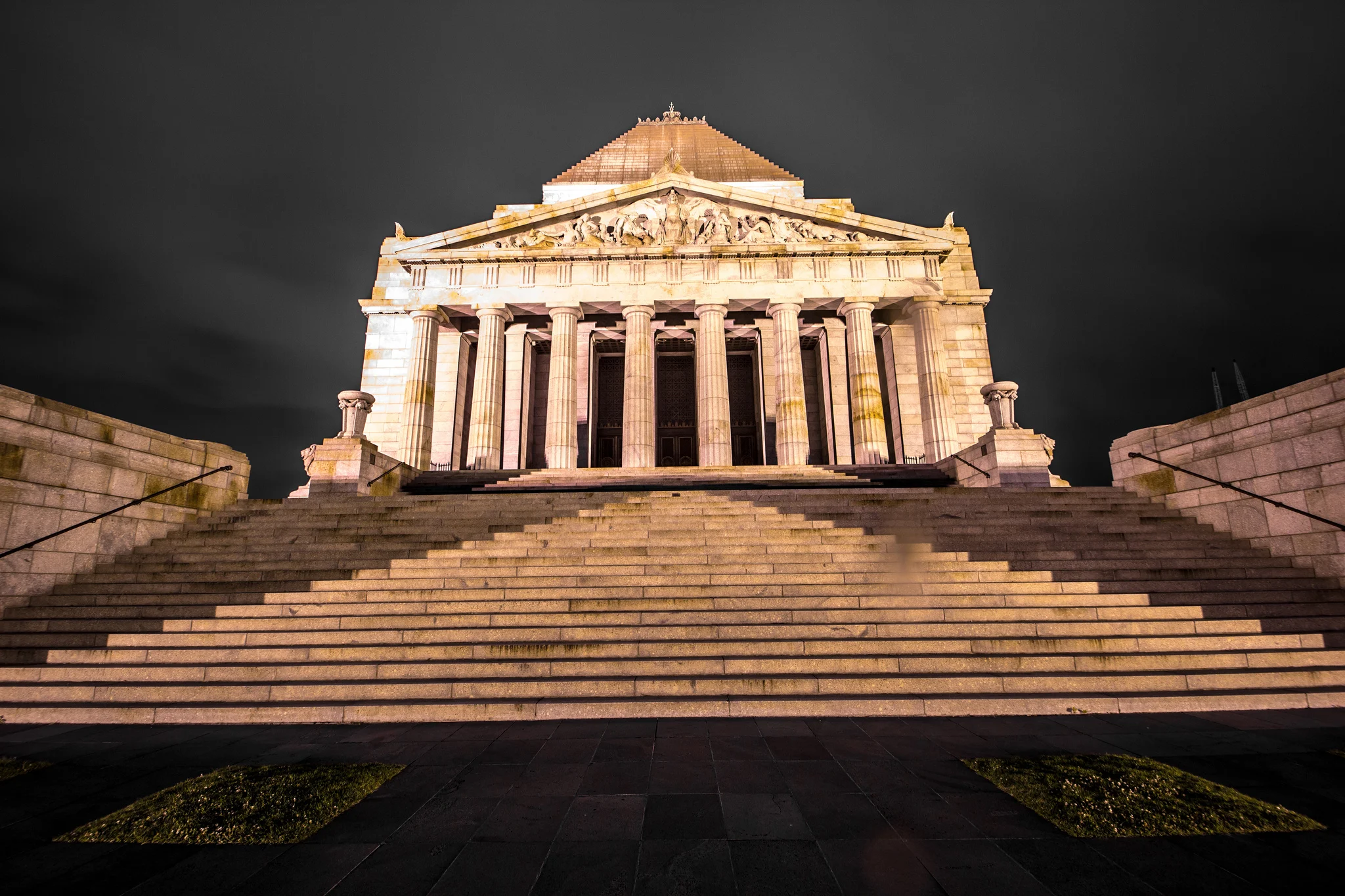
25 April 2014, Shrine of Remembrance, Melbourne, Australia

Neville Clarke is a former headmaster of Mentone Grammar School in south eastern Melbourne.

We come to this sacred place not to glorify; certainly not to celebrate (the modern cult of celebrity would have been unrecognisable at ANZAC: as CJ Dennis's Ginger knew, 'It's a crook to tell / A tale that marks for praise a single one'.). If we are true to the purpose for which this Shrine was built, however, we come to commemorate. The Australian and New Zealand Army Corps gave to two new nations a new spirit which neither of them could have imagined before.

Australians and New Zealanders knew that they had to fight in 1914 because they knew the cost to themselves if the British Empire should go down – they'd go down with it. Australians and New Zealanders have not fought in wars to gain anything: Australians and New Zealanders have fought in wars not to lose something – freedom. To protect their nationhood – and their freedom – the A.N.Z.A.C. went to war with a spirit of determination which has marked their successors ever since.

The determination, for instance, of the tragic, successive waves of the Light Horse in the charge at The Nek in order to give the equally heroic New Zealanders the best chance of seizing Chunuk Bair, tactical key to the Gallipoli Peninsula.

The determination shown at Passchendaele by the Machine Gun Section Commander who wrote down his orders for his Section, all of whom had – like him – volunteered to man a potentially fatal outpost. His orders?

  1. This position will be held and the section will remain here until relieved.
  2. The enemy must not be allowed to interfere with this programme.
  3. If the section cannot remain here alive, it will remain here dead, but in any case it will remain here.
  4. Should all the guns be blown out, the section will use Mills grenades and other novelties.
  5. Finally, the position, as stated, will be held.

The section did indeed remain until relieved, fully 18 days later, and these orders became so famous along the Western Front that for many years they were promulgated in British Army Orders and, in 1940 in Dunkirk, were hailed in the press as 'the spirit that won the last war.' And the author, and Section Commander? A Tasmanian clergyman.

The determination of the Bomber Command aircrews to fly straight and level through the death zone to give themselves the best chance of hitting their targets in the Ruhr Valley.

The determination of the Captain and crew of HMAS 'Yarra' to protect a three-ship convoy by steering their own diminutive craft directly into the path of the Japanese heavy cruiser squadron.

The determination of the walking wounded from Kokoda not to clog up the 'fuzzy-wuzzy' stretcher line but to keep moving themselves, if necessary by crawling on their knees.

The determination of the POW's that no Australian should die alone on the Railway of Death.

The determination of the nursing sisters to maintain their honour and show o fear to their captors after the Banka Island massacre.

The determination of the exhausted division in the pivotal coastal sector at Alamein to bring upon themselves if necessary the whole weight of the Afrika Korps counter-attack to enable a break-out further inland.

The determination to mount the slopes of Maryang San, to advance through the rubber trees of Long Tan, or to search through the green valleys and up the desert crags of Afghanistan.

The determination to keep the home fires burning till the boys came home.

This spirit of determination has lead inevitably to sacrifice, not just the fact of sacrifice which, between 1914 and 1918 for instance, resulted in irreparable loss for two young nations, but also a spirit of sacrifice, a team spirit if you will, through which many lives were saved by selfless acts of courage, for the sake of comrades-in-arms, and ultimately for freedom.

And it was this spirit of sacrifice which was defined 2,000 years ago, and for all Eternity, by a brave and beloved leader whose words are engraved on the stone at the heart of this Shrine.

Greater love hath no man that this, that a man lay down his life for his friends.


Enjoyed this speech? Speakola is a labour of love and I’d be very grateful if you would share, tweet or like it. Thank you.

Facebook Twitter Facebook
In WAR & CONFLICT Tags SACRIFICE, SHRINE OF REMEBRANCE, NEVILLE CLARKE, WAR, HEADMASTER, ANZAC DAY
Comment
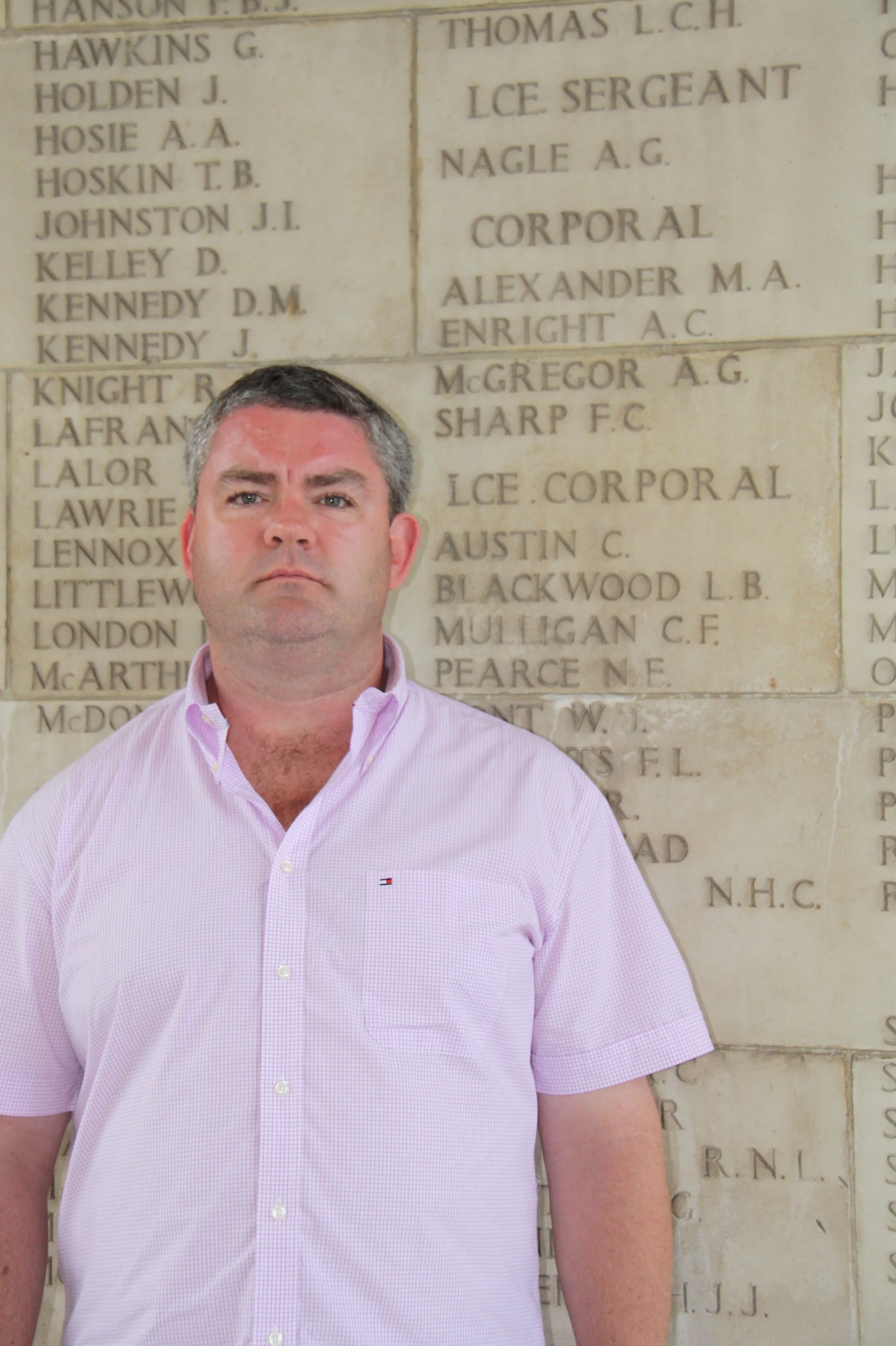
David Harris, in front of the memorial commemorating his grandfather Athol Nagle, the first Australian killed in Malaya.

David Harris, in front of the memorial commemorating his grandfather Athol Nagle, the first Australian killed in Malaya.

David Harris: 'My grandfather was the first soldier in Malaya to fall for Australia', Harvard Business School ANZAC Day Address - 2013

February 11, 2016

25 April 2013, Harvard Business School, Boston, Massachusetts, USA


Anzac Day 2010 was and today, Anzac Day 2013, will be, very important days in my life.  I would like to briefly share with you why.

A few days before Anzac Day 2010 I made a pilgrimage with my mother.  The two of us flew to Singapore, then drove about a third of the way up the Malaysian peninsula, inland from Malacca.

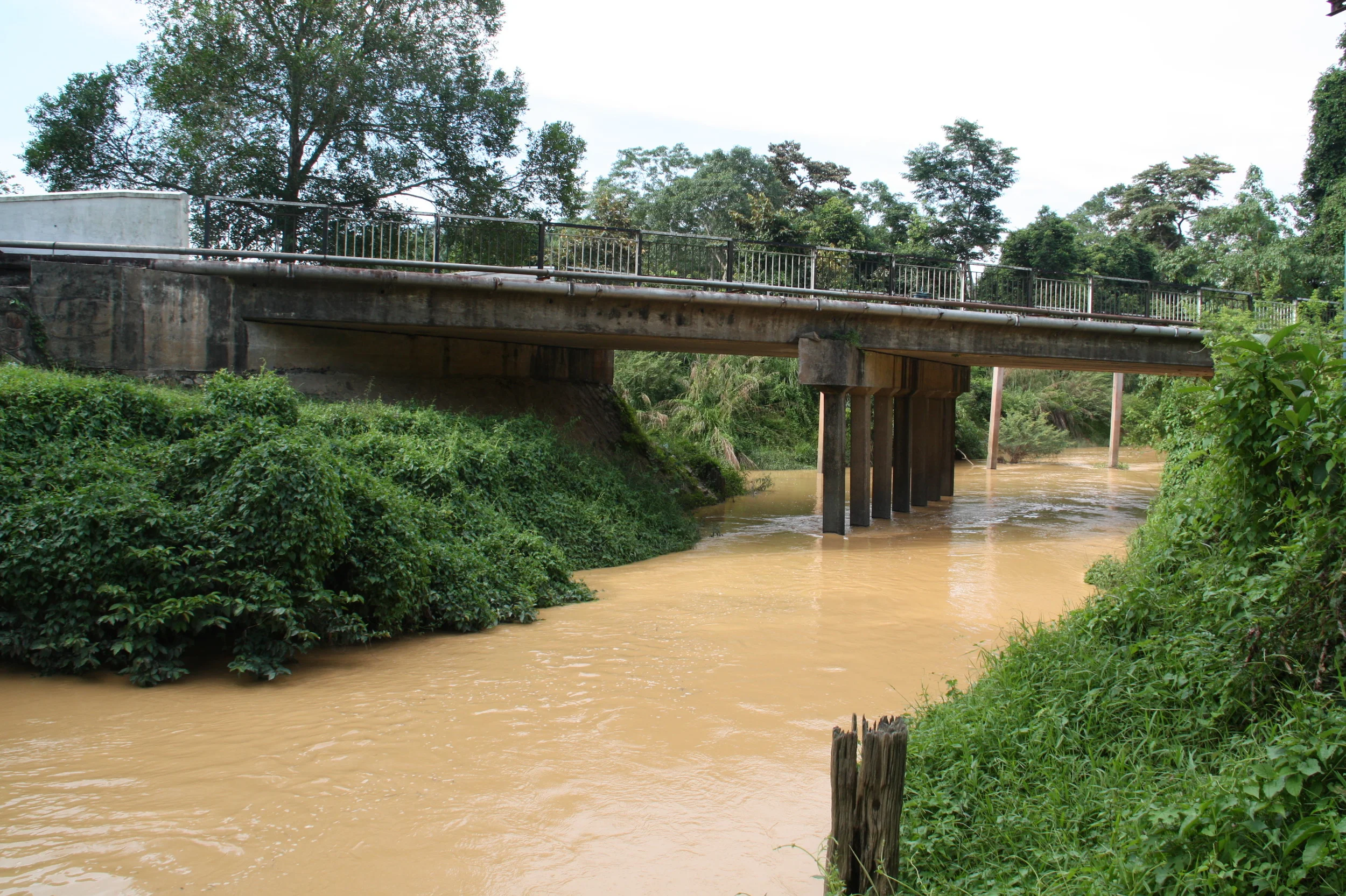
There, just north of the town of Gemas, is a road bridge over the Gemencheh river.  The road and bridge are surrounded on both sides by thick jungle.  As you approach the bridge from the south, to the left is a rubber tree plantation.  And, about 200 metres before the bridge, there is a left hand bend in the road with an embankment that slopes down to meet the road.

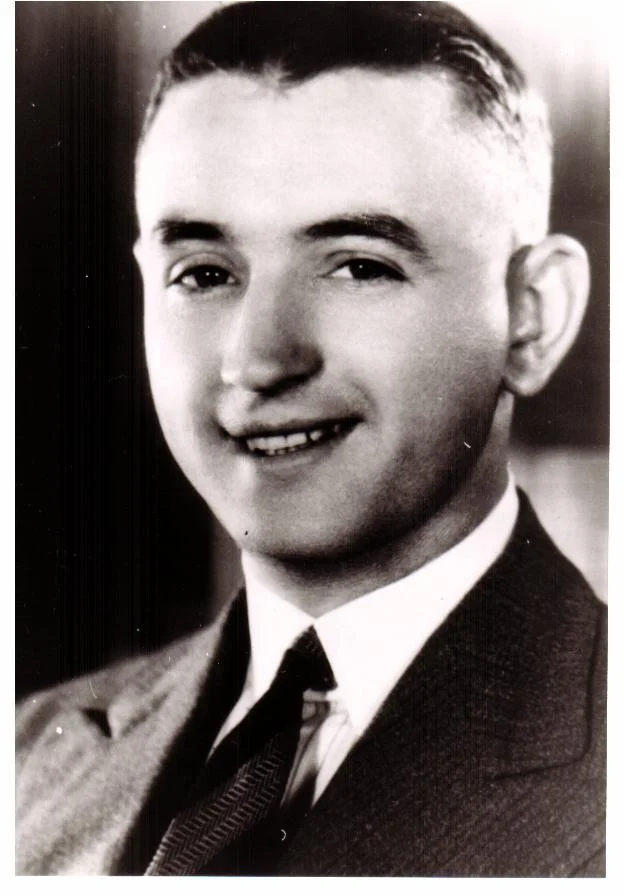
It was at that very spot at about 5.00 pm on 14 January 1942 that my grandfather, Sergeant Athol Nagle from the 2nd/30th battalion of the Australian Imperial Force, was killed by japanese troops.

My grandfather was the first soldier in Malaya to fall for Australia.

My mother never knew her father.  She was born a little over three months after his death.

April 2010 was the first time that my mother had visited the site where her father was killed.  We spent several hours walking, under and over the bridge, up and down the road.  We took many photos of the area although we did not need to take any for ourselves –- the site will be forever a very clear picture in the minds of each of us.

Afterwards, we returned to Singapore where we attended the Anzac Day dawn service at the Kranji war cemetery.  I have not yet been to a dawn service at Gallipoli, but to all of the Australians, New Zealanders and British here today, i can tell you that the Kranji dawn service is also an incredibly moving experience that you will never forget.

With the other Australians who were there to honour members of their own families, we laid a wreath on the memorial to soldiers from Australia, New Zealand and Great Britain who died in the service of their country, either on the Malaya peninsula or in Singapore.

Of special note to me was that, as part of the official service that day, a wreath was also laid on the memorial by a senior military officer from Japan.  That was a very poignant moment indeed.

So, Anzac Day 2010 was, obviously and naturally, a very emotional day for my mother and for me.

That brings me to today’s Anzac Day service.

All of us here today are at the Harvard Business School because we are students on the Advanced Management Programme.  All of us, too, are part of a living group team.

In the last four weeks all nine members of my living group team have bonded incredibly well.  I believe it when previous students and our lecturers tell us that we will be friends for life – I can see already that all of us will in the future build on the strong friendship we have already forged.

Today I am honoured, deeply honoured, to have two in particular of my living group attend this dawn service with me – Sirzat Balin from Turkey and Tetsuya Yamamoto from japan.  To me it is both an incredibly important and positive statement and a symbol that I, an Australian, am here on this most sacred of days for my country standing side by side with a true friend from each of Turkey and Japan.

The AMP course is designed to prepare us all to be global leaders.  In my opinion, an important dimension to being a global leader is having an appreciation for, understanding of and respect for cultures other than our own.

Each of us has an unrivaled opportunity while at Harvard Business School to not just learn about financial management, marketing, operations and corporate strategy, but to also learn about and develop a sensitivity to and understanding of the cultures of your fellow students from around the world. 

Befriend one another, and come to respect the culture of one another.

I have absolutely no doubt that all of us gathered here today are united in the hope and desire that in the future we, as global leaders, never have to confront the circumstances and decisions that the leaders of our countries had to face prior to each of the world wars and the other regional wars in which Australian and New Zealand troops have served.

But if we do, it is my hope and my expectation that, equipped with the understanding and respect that we have for one another, each of us will exercise leadership in a way such that none of us or our progeny will suffer the same fate as so many of our country men and women before us.

It is those men and women whom we remember and honour here today.

Normal
0


false
false
false

EN-AU
X-NONE
X-NONE


MicrosoftInternetExplorer4


 <w:LatentStyles DefLockedState="false" DefUnhideWhenUsed="true"
DefSemiHidden="true" DefQFormat="false" DefPriority="…

Gemencheh Bridge connecting Tampin and Gemas, the original of which the Australians blew up as the Japanese were cycling over it.  This was the Australians first encounter with the Japanese.

Athol Nagle, the first Australian killed in Malaya in 1942.

Athol Nagle, the first Australian killed in Malaya in 1942.


Enjoyed this speech? Speakola is a labour of love and I’d be very grateful if you would share, tweet or like it. Thank you.

Facebook Twitter Facebook
In WAR & CONFLICT Tags DAVID HARRIS, GRANDFATHER, ANZAC DAY, MALAYA, CASUALTY, SOLDIER, WW2, RECONCILIATION, HARVARD, AIF
Comment

See my film!

Limited Australian Season

March 2025

Details and ticket bookings at

angeandtheboss.com

Support Speakola

Hi speech lovers,
With costs of hosting website and podcast, this labour of love has become a difficult financial proposition in recent times. If you can afford a donation, it will help Speakola survive and prosper.

Best wishes,
Tony Wilson.

Become a Patron!

Learn more about supporting Speakola.

Featured political

Featured
Jon Stewart: "They responded in five seconds", 9-11 first responders, Address to Congress - 2019
Jacinda Ardern: 'They were New Zealanders. They are us', Address to Parliament following Christchurch massacre - 2019
Dolores Ibárruri: "¡No Pasarán!, They shall not pass!', Defense of 2nd Spanish Republic - 1936
Jimmy Reid: 'A rat race is for rats. We're not rats', Rectorial address, Glasgow University - 1972

Featured eulogies

Featured
For Geoffrey Tozer: 'I have to say we all let him down', by Paul Keating - 2009
for James Baldwin: 'Jimmy. You crowned us', by Toni Morrison - 1988
for Michael Gordon: '13 days ago my Dad’s big, beautiful, generous heart suddenly stopped beating', by Scott and Sarah Gordon - 2018

Featured commencement

Featured
Tara Westover: 'Your avatar isn't real, it isn't terribly far from a lie', The Un-Instagrammable Self, Northeastern University - 2019
Tim Minchin: 'Being an artist requires massive reserves of self-belief', WAAPA - 2019
Atul Gawande: 'Curiosity and What Equality Really Means', UCLA Medical School - 2018
Abby Wambach: 'We are the wolves', Barnard College - 2018
Eric Idle: 'America is 300 million people all walking in the same direction, singing 'I Did It My Way'', Whitman College - 2013
Shirley Chisholm: ;America has gone to sleep', Greenfield High School - 1983

Featured sport

Featured
Joe Marler: 'Get back on the horse', Harlequins v Bath pre game interview - 2019
Ray Lewis : 'The greatest pain of my life is the reason I'm standing here today', 52 Cards -
Mel Jones: 'If she was Bradman on the field, she was definitely Keith Miller off the field', Betty Wilson's induction into Australian Cricket Hall of Fame - 2017
Jeff Thomson: 'It’s all those people that help you as kids', Hall of Fame - 2016

Fresh Tweets


Featured weddings

Featured
Dan Angelucci: 'The Best (Best Man) Speech of all time', for Don and Katherine - 2019
Hallerman Sisters: 'Oh sister now we have to let you gooooo!' for Caitlin &amp; Johnny - 2015
Hallerman Sisters: 'Oh sister now we have to let you gooooo!' for Caitlin & Johnny - 2015
Korey Soderman (via Kyle): 'All our lives I have used my voice to help Korey express his thoughts, so today, like always, I will be my brother’s voice' for Kyle and Jess - 2014

Featured Arts

Featured
Bruce Springsteen: 'They're keepers of some of the most beautiful sonic architecture in rock and roll', Induction U2 into Rock Hall of Fame - 2005
Olivia Colman: 'Done that bit. I think I have done that bit', BAFTA acceptance, Leading Actress - 2019
Axel Scheffler: 'The book wasn't called 'No Room on the Broom!', Illustrator of the Year, British Book Awards - 2018
Tina Fey: 'Only in comedy is an obedient white girl from the suburbs a diversity candidate', Kennedy Center Mark Twain Award -  2010
Tina Fey: 'Only in comedy is an obedient white girl from the suburbs a diversity candidate', Kennedy Center Mark Twain Award - 2010

Featured Debates

Featured
Sacha Baron Cohen: 'Just think what Goebbels might have done with Facebook', Anti Defamation League Leadership Award - 2019
Greta Thunberg: 'How dare you', UN Climate Action Summit - 2019
Charlie Munger: 'The Psychology of Human Misjudgment', Harvard University - 1995
Lawrence O'Donnell: 'The original sin of this country is that we invaders shot and murdered our way across the land killing every Native American that we could', The Last Word, 'Dakota' - 2016